

Composite Door Hinge Replacement
Hinges can be adjusted in the event that your composite door is difficult to open or shut. It's important to understand the hinge's type and gather the correct tools before commencing adjustments.
Hinges must be maintained on a regular basis to ensure that they function as intended. Cleaning is essential to avoid accumulation and also to ensure that lubrication is in place to decrease friction.
Preparation
It's possible to adjust your hinges if you notice that your composite door does not close as it should. It may seem daunting, but with the right tools and some patience, it's an easy task.
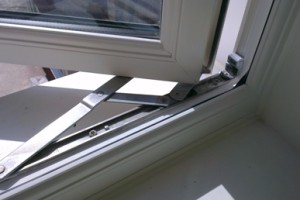
It is crucial to first identify the type of frame that's being used. Different types of hinges have different adjustment mechanisms that need to be taken into consideration and the lack of knowledge could lead to damage to the hinge or frame.
It's always recommended to seek the assistance of a professional. They'll have the knowledge and expertise necessary to ensure that your composite doors are properly adjusted. Additionally, they'll be able to use specialised tools that aren't included in the standard household tool kit making the process speedier and more efficient.
You should make some initial preparations before you begin making adjustments to your composite doors. Check the area for moisture that may affect the wood and make any necessary adjustments. You should also examine the hinges to determine whether there are any places that require attention. Also, it is recommended to lubricate the hinges and door to decrease friction and increase wear.
You'll first have to remove the caps made of plastic from hinges. The next step is to locate the screws that go with each hinge. They'll be located on the door's side of the hinge or on the plate that is attached to the door frame. To remove them you'll require an screwdriver or Allen key.
Then, you'll have to turn the screw a few turns clockwise to loosen it. Then, you can move the hinge plate in either direction, dependent on where it's stuck. After you've made the necessary adjustments, tighten the screw to test the door.
It's a good idea to schedule an appointment to consult with one of our experts to adjust the hinges if your composite door continues to snag or is unable to lock. This will be covered by your guarantee and ensure that your door is functioning exactly as it should.
Adjustment
Over time the door made of composite may warp, swell or bow. This can cause gaps in the frame, which can affect how your door shuts and opens. This can be easily corrected by adjusting the hinges. It is important to make the effort to do this job correctly to protect the frame and ensure that your doors are operating exactly as they should.
The first step is to prepare the hinge area. You can use a utility knife to remove the existing mortise (the hole in which the hinge sits in). This will let you design an additional one for the new hinge. You can then employ a chisel to remove any excess wood around the mortise. Then with a screwdriver, attach the new screws by drilling three new screwholes.
After the new screws are attached then you can adjust your door hinges made of composite. It is essential to know the kind of hinge you have since each comes with a different method to adjust it. For instance, some kinds of hinges are flagged, which means that the lateral adjustment screw is situated under a plastic cap. To access this screw, you'll have to take off the caps using the help of a screwdriver. Then, loosen them until they allow for movement.
Or, you could have hinges that are plain butt and are fixed to the frame with pins that join the two plates on the hinge knuckles. In this instance, you will need to loosen the bottom/top screws using a screwdriver to allow for sideways movement, but be sure to not completely remove them since you will need to return them later. Once you have achieved the desired amount of movement and tighten the screws to secure the hinge.
After you've completed the adjustment process, check your composite door. If it's not, you should repeat the process until your door is perfectly aligned and closed with no resistance or creaking. It is also a good idea to regularly oil the hinges of your door to prevent them becoming stiff or prone creaking.
Maintenance
Using a mild soap or solution of vinegar and warm water is a great method of cleaning door hinges made of composite. It is important to avoid using abrasive cleaning methods because they can harm the surface of the hinges. Regular inspections of hinges and doors will help identify potential problems before they cause damage or require replacement.
It is a good idea in addition to regular cleaning and inspection to lubricate your hinges frequently. A lubricant that is light and based on silicone will not only prevent noises and improve the functionality of the hinge however, it will also protect the hinge from moisture and other environmental elements. It is recommended to verify the type of lubricant recommended by the manufacturer of your hinge for the best results.
It's also a good idea to examine the door's frame and weatherstripping for signs of wear. Keep the weather stripping in good condition to maintain an airtight seal and minimize drafts. It is also a good idea to regularly replacing the weatherstripping in order to ensure that it functions correctly and to prolong its life.
The most frequent issues that can affect the operation of composite doors include problems closing or opening the door, sticking or scraping on the floor, and the misalignment. A simple hinge adjustment will help to resolve these issues and restore the door's functionality.
Adjustments to hinges can be done by anyone with a basic knowledge of home improvement and DIY skills. However, it is essential to determine the type of hinge and have the right tools prior to making any adjustments. A mistake in adjustment could damage hinges and even the door frame, causing more problems in the future.
The hinges can be adjusted in three different ways, depending on the type: height as well as compression and lateral movement. To adjust the hinges of a composite door, remove the caps made of plastic at the top and bottom to gain access to their internal workings. After the hinge pins are cleaned and lubricated and the screws are tightened to securely fasten the hinges.
Replacement
The hinges on your composite door are vital to its purpose, security, and aesthetics. If they're not aligned properly your door could be difficult to open and close, and you may hear squeaking noises when opening and shutting it. Proper adjustment and regular maintenance can help prevent these issues.
It is important to determine the type of hinges you have on your composite door. This will allow you to understand the precise adjustments that need to be made. It is crucial to have the appropriate tools for the job. These could include screwdrivers Allen keys and spanners, depending on the hinge's specific design. If you're not confident in making these adjustments, it's a good idea to consult an expert. This will decrease the chance of damaging your door and frame, and also the chance of injury.
Start by loosening composite door handle replacement on top of the hinge plate, which is attached to the frame of the door using spanners or a screwdriver according to the hinge's design. You can now access the vertical and horizontal adjustment screws. You will have to adjust both screws to create an even gap. After you have done this you will need tighten the screws once more.
If the gap is still uneven, you can repeat this procedure on the opposite side of the door. Continue to adjust both the horizontal and vertical adjustment screw until the door is snug and level within the frame. Make sure that the handles and any other hardware are securely fixed.
To ensure the integrity of composite doors it is vital to regularly adjust them. Proper adjustment can avoid common door problems, such as warping and sagging. Regular cleaning and lubrication can also help keep your door in good working order. If you follow these suggestions you can tighten your door and stop creaking.